- News Article
- Radon
- gas
Radon Prevention & Protection
Written By Ruth MacEachern11 May 2023
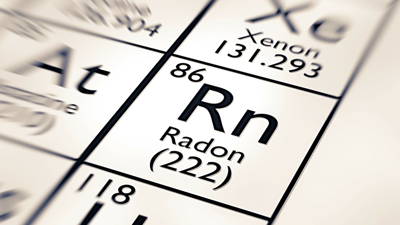
Radon penetration occurs in many thousands of homes in the UK, predominantly in the East Midlands and the South West but there are pockets just about everywhere across the UK. A naturally occurring radioactive gas, Radon exposes households to high doses of radiation, putting those living in the Radon-affected household at risk. According to the World Health Organization, “Radon exposure leads to between 3 and 14 percent of all lung cancer cases,” which puts an emphasis on the need to promote Radon protection. Luckily, there is a solution! As long as your home is well ventilated, you can significantly reduce Radon levels in your home.
Check out the areas across the UK affected by Radon.
A bit about Radon
Mainly found in places with high levels of granite and igneous rocks, Radon enters homes from the ground, before distributing a highly potent dose of radioactive gas. This is because the uranium from these rocks decays, therefore producing radium, which produces a new radioactive element – Radon.
In time, the radioactive gas decays further, producing another radioactive element called Radon daughters, which will attach themselves to dust particles in the air. Bad news is; if these particles are inhaled, they will stick to the airways of the lung.
Radon Protection
Thankfully, there are ways of reducing Radon levels in the home – all you need to do is filter fresh air throughout the property. You can do this through Positive Input Ventilation, a method of ventilation which forces the contaminated air out of the home by supplying fresh, filtered air into the property at a continuous rate.
To reduce Radon levels and enjoy all year round ventilation, EnviroVent recommends the following solutions:
PIV Air Source
This clever little loft-based ventilation system replaces humid, contaminated air with fresh, clean filtered air - perfect for households affected by condensation and mould. What’s more, the unit also provides summer cooling! The unit detects when the temperature in the loft space rises above 25 °c and automatically starts to draw air in from outside via a temperature-controlled diverter mechanism – offering you more than just protection from Radon.
MIV® Air Source
Similar to the PIV Air Source, the MIV Air Source displaces humid air with fresh air from outside the property. Only difference is, the MIV Air Source has the ability to filter fresh air via multiple inputs, into areas that need it the most. Equally ideal for homes that have condensation and mould problems, the MIV Air Source has multiple benefits.
Find out more
Contact us today to book your free home survey. Our local ventilation specialists can visit your home to provide you with advice about the best solution for your property. Simply enter your postcode in the form below to find a ventilation expert near you
Meet The Author

Ruth MacEachern
Product Manager & Policy Advisor
With over 10 years’ experience in the building industry, spanning sales, planning, site supervision and product management, Ruth combines strong technical expertise with practical insight.
Holding a degree in Building Control, graduating top of her class and receiving an award for her dissertation, Ruth has worked closely with Building Control Officers on complex, high-risk and post-Grenfell projects, supporting the interpretation of regulations and delivery of compliant outcomes.
In her current R&D role, she helps shape product development, technical guidance and industry education through writing, articles and webinars. Known for her deep regulatory knowledge, Ruth is passionate about raising standards and ensuring ventilation is properly understood, accurately specified and given the priority it deserves.