• News Article
  • Pollen
  • allergies

How Much Do You Know About Allergies?

Written By Ruth MacEachern15 September 2023
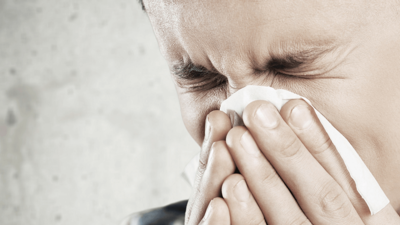
In the UK, allergies are common, and more than 44% of adults suffer from allergic reactions at some point in their lives with this number growing each year.  Despite all of this, there is still a lack of knowledge about the precise reasons why some people develop an allergy.

Statistics show that children are more susceptible to allergies than adults. But in many cases, these will abate or even disappear with age. The actual triggers are hard to decipher, although it is thought that pre-existing hereditary conditions and environmental factors play a role in some way.

What exactly is an allergy?

Allergies are defined as conditions where a substance triggers an involuntary reaction in the body. This is typically an immune response which is different from how most of the population would react to the same substance.  There is a notable physiological difference between an allergic response and a sensitivity or intolerance.

Sensitivity is where a person would experience a more intense effect of a substance than a normal person – an example might be someone who is sensitive to alcohol and becomes intoxicated more easily than their peers.

An intolerance is a non-immune system negative effect where a higher than normal amount of a substance causes a negative effect – an example may be where a person suffers digestive problems when consuming a certain type of food such as gluten.

Common allergies

One of the most common allergies is hay fever where a response is triggered by grass and pollen.

There are also people who suffer from allergic reactions to food – notably dairy products and nuts.  The allergic responses to nuts can be severe and triggered by minute substances.

Household dust can be an allergic trigger for some people, while others may suffer a response when using certain household cleaning products or even wearing latex gloves.

Common Symptoms

Allergic responses are mostly mild.  The symptoms of an allergic reaction such as itchiness, watery eyes and sneezing can be annoying, but are rarely life-threatening.  However, some people suffer a more extreme reaction.  In some cases, an allergic reaction might trigger an asthma attack or even an anaphylactic shock which can be fatal and requires immediate medical treatment.

Anaphylaxis – an anaphylactic shock is a massive reaction in the immune system in which a person may suffer severe swelling, shortness of breath, and vomiting.  Low blood pressure and a lack of oxygen can manifest as feeling lightheaded and collapsing. 

Severe swelling during anaphylaxis can close the throat and prevent a person breathing.  People who are prone to this type of response – those with a severe peanut allergy for example – may carry an epinephrine injection (commonly known as an Epi-Pen) with them as a means of countering anaphylactic shock when it happens.

Treatment of Allergies

The first stage in handling allergies is usually medical confirmation of the substance that a person is allergic to.  In most cases, a GP would refer a patient for an allergy test which can determine the specific substance and measure the level of response. 

In less severe cases, the advice at this stage may just be to avoid exposure to the allergen, however a doctor may prescribe antihistamines or steroid medication to lessen the effects and improve a patient’s ability to go about their daily lives.

There are longer term treatments for severe allergies that an immunologist may consider which involve gradual exposure to tiny amounts of a particular allergen to help build up tolerance over time.

Avoiding Allergens

As most ways of dealing with allergies involve reducing or avoiding exposure rather than treatment, avoiding contact with substances that cause a response is important.  In some cases, this can be straightforward (for example not eating shellfish).  In other cases – where a person suffers a response to allergens in the air, it can be much more difficult.

Professionally fitted mechanical ventilation systems which filter air as it comes into a home can help reduce the type of substance that may enter the home, however it is also important to take common sense precautions that prevent allergens entering from other sources.  This may involve taking off shoes before entering the home to grooming pets outdoors rather than in a living room.

Medical understanding of both the triggers and mechanisms of allergic reactions is growing all the time, but with no “cure” available, and alleviation of symptoms being the main treatment, it is important to do what you can to reduce risk in the here and now.

Find out more

Contact us today to book your free home survey. Our local ventilation specialists can visit your home to provide you with advice about the best solution for your property. Simply enter your postcode in the form below to find a ventilation expert near you.

Meet The Author

A young woman smiling in a friendly way.

Ruth MacEachern

Product Manager

Ruth is recognised for her deep technical knowledge and regulatory insight.

With over 10 years’ experience in the building industry - across sales, planning, supervision and product management - Ruth combines deep regulatory expertise with real-world application. She holds a four-year degree in Building Control, graduating with the highest marks in her class and winning an award for her dissertation.

Ruth has worked closely with Building Control Officers on complex, high-risk projects, including post-Grenfell work, helping interpret regulations and guide compliant outcomes. Today, she plays a central role in Research and Development, shaping products, technical guidance and education across the industry through technical writing, articles for our blog, and webinars.

Passionate about raising standards, Ruth is driven by one goal: Making ventilation clearly understood, properly specified, and taken seriously.