• News Article
  • Condensation
  • Damp

How to Avoid Problems with Condensation Damp in Your Home

Written By Ruth MacEachern01 July 2025
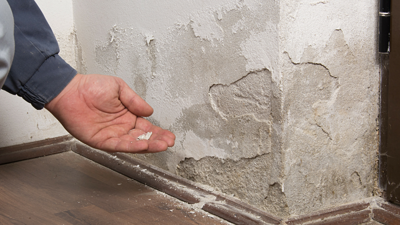
Condensation damp is a common issue in households, especially during colder months. It is a type of damp that is caused when condensation is allowed to soak into underlying surfaces such as plaster and wood and saturate the material.

If left unmanaged, condensation damp can lead to mould growth, property damage, and even health concerns. Fortunately, there are several ways to prevent condensation from developing into a damp problem.

Reducing condensation damp in your home

Condensation occurs when moisture in the air turns into water droplets upon contact with cooler surfaces like windows, walls, and ceilings. Everyday activities such as cooking, showering, and drying clothes indoors contribute to higher humidity levels, increasing the potential for condensation to form.

Improved ventilation

The most effective way of preventing condensation damp is through improved ventilation. Proper airflow helps to remove excess moisture from your home quickly before damp can form.

Ventilation can be as simple as opening windows to allow a route for humid air to escape, but natural ventilation is rarely sufficient to affect condensation.

Fitting suitable extractor fans in kitchens and bathrooms will remove steam at the source, but whole house ventilation systems such as PIV (Positive input ventilation), can be even more effective, as they circulate air throughout the whole home to displace humid air.

An area of ventilation that is often overlooked is maintaining good airflow around large items of furniture. Ensure that there is a 5cm gap between large cupboards and wardrobes and the wall so that air can move freely. Without this, damp patches can form, and mould will grow out of your sight.

Control humidity

Reducing moisture levels in the air can significantly lower the risk of condensation damp.

In your kitchen you can reduce humidity by:

  • Covering pots and pans when boiling water

  • Avoiding opening a dishwasher until it has cooled

  • Avoiding opening the oven too often when cooking

In your bathroom you can reduce humidity by:

  • Using slightly cooler water to bathe

  • Ensuring that the bathroom door is closed during and after taking a shower or bath

  • Avoiding leaving the bath filled for too long after use

You should also avoid drying clothes indoors or leaving towels on radiators as this can contribute large amounts of water into the air. Indoor clothes drying is a particular problem for condensation, as ventilation in rooms away from extractor fans may be poor.

Find out more

Avoid condensation damp from becoming a problem in your home. Contact us today to book your free home survey. Our local ventilation specialists can visit your home to identify the causes of condensation and provide advice about the best ways to deal with it. Simply fill in your postcode to find a local expert who can help you.

Meet The Author

A young woman smiling in a friendly way.

Ruth MacEachern

Product Manager

Ruth is recognised for her deep technical knowledge and regulatory insight.

With over 10 years’ experience in the building industry - across sales, planning, supervision and product management - Ruth combines deep regulatory expertise with real-world application. She holds a four-year degree in Building Control, graduating with the highest marks in her class and winning an award for her dissertation.

Ruth has worked closely with Building Control Officers on complex, high-risk projects, including post-Grenfell work, helping interpret regulations and guide compliant outcomes. Today, she plays a central role in Research and Development, shaping products, technical guidance and education across the industry through technical writing, articles for our blog, and webinars.

Passionate about raising standards, Ruth is driven by one goal: Making ventilation clearly understood, properly specified, and taken seriously.