• News Article
  • Radon
  • radioactive

Areas of the UK at Higher Risk of Radon

Written By Ruth MacEachern27 May 2025
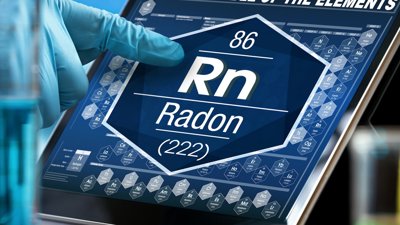
Radon is a naturally occurring radioactive gas that can pose significant health risks when it accumulates indoors. In the UK, some areas are more prone to radon build-up than others. If you live in an area where you are at risk of higher radon concentrations in your home, it is important to take steps to protect your health.

Get advice from your local ventilation specialist about how you can measure radon levels in your property, and what steps you can take to improve ventilation and reduce the risk to your family.

Radon-prone areas in the UK

Radon is present throughout the UK, but certain regions are more susceptible to higher concentrations due to their local geography. Areas with granite and other igneous rock formations below ground are more prone to radon emissions. These areas include:

  • Devon and Cornwall in the Southwest of England

  •  Pembrokeshire, Ceredigion, and Gwynedd in Wales

  • The Highland areas of Scotland including Aberdeenshire

  • The Mourne Mountains in Northern Ireland

In these regions, radon levels are above average, but it is important to note that radon can be found in varying concentrations across the entire country. Homeowners are encouraged to test their homes for radon to ensure safe living conditions.

What are the health risks associated with radon

When radon accumulates in indoor spaces, it poses a serious threat to the health of you and your family. It is often known as the silent killer because it is odourless, colourless, and tasteless, so it is difficult to detect without proper testing.

The biggest health risk of high levels of radon exposure in your home is lung cancer. This is not caused directly by the presence of radon, but rather the ionising effects that the radioactive decay of the gas causes in particles. When radioactive dust from radon decay is inhaled, it can damage lung cancer. On average, Radon exposure is estimated to lead to approximately 1,100 lung cancer deaths annually with the risk highest among those with respiratory illness and smokers.

If tests identify that the concentration of radon in your home is too high, it is important to take preventative steps and ensure that your property is well ventilated.

How positive input ventilation systems reduce radon levels

One effective method to reduce radon levels in homes is through the installation of positive input ventilation (PIV) systems. These systems work by introducing fresh, filtered air into the property, which helps to dilute and displace radon-laden air.

How Positive Input Ventilation Systems Work

Radon is a heavy gas that is released into the air at ground level. Outdoors, air movement helps to disperse the gas quickly, and so it doesn’t build up, however indoors, it can reach dangerous levels.

Positive input ventilation systems draw in external at roof level – well above the ground where radon levels are higher.

This air is then circulated through the property to create a positive air pressure differential with the exterior of the home that reduces radon concentrations.

Find out more

If you live in an area that is at higher risk of radon, it is important to protect your health. Arrange a radon test from a qualified specialist who can identify what levels of radon are present in your home and speak to a ventilation expert who can advise about the best solution for your property.

Contact us today to book your free home survey. Our local ventilation specialists can visit your home to provide you with advice about the best solution for your property. Simply enter your postcode in the form below to find a ventilation expert near you.

Meet The Author

A young woman smiling in a friendly way.

Ruth MacEachern

Product Manager

Ruth is recognised for her deep technical knowledge and regulatory insight.

With over 10 years’ experience in the building industry - across sales, planning, supervision and product management - Ruth combines deep regulatory expertise with real-world application. She holds a four-year degree in Building Control, graduating with the highest marks in her class and winning an award for her dissertation.

Ruth has worked closely with Building Control Officers on complex, high-risk projects, including post-Grenfell work, helping interpret regulations and guide compliant outcomes. Today, she plays a central role in Research and Development, shaping products, technical guidance and education across the industry through technical writing, articles for our blog, and webinars.

Passionate about raising standards, Ruth is driven by one goal: Making ventilation clearly understood, properly specified, and taken seriously.