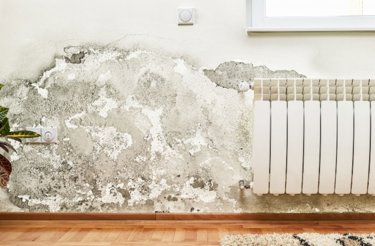
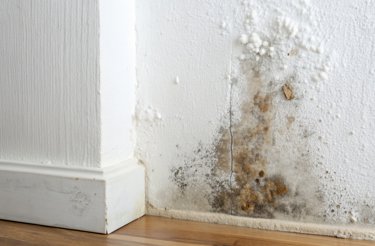
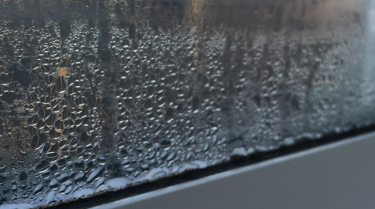
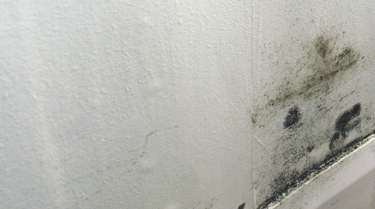
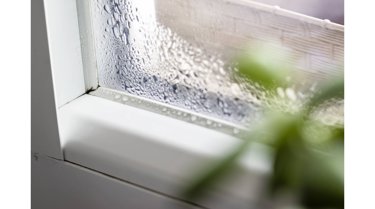
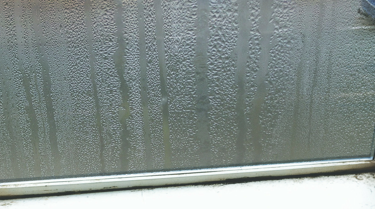
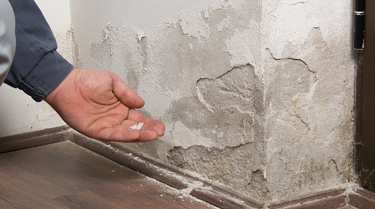
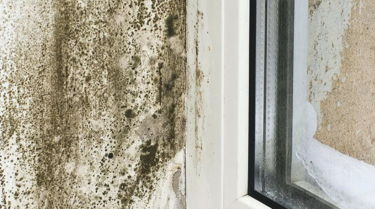
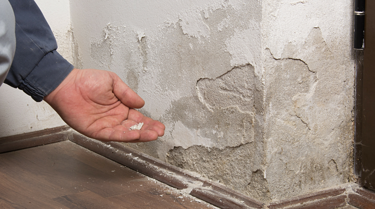
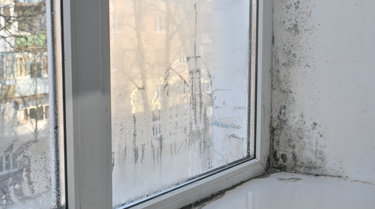
Windows running with water on a cold morning. A damp patch on the bedroom wall that keeps coming back. Mould in the corners, behind furniture, around the window frames. It is one of the most common problems in County Durham homes, and it gets worse every winter until the underlying cause is dealt with.
The county's housing tells you why. County Durham is former coalfield country, and the housing built for the pits is still lived in today. Every village has its rows of miners' cottages: low terraced properties, single storey at the front, many with dormer windows added into the roof over the years to make more of the upstairs space. They are some of the most condensation-prone homes in the region, and they are everywhere from Stanley and Consett through to Peterlee, Seaham and the old pit villages in between.
Alongside them sits a great deal of post-war and former local authority housing, much of it now privately owned, across Chester-le-Street, Newton Aycliffe, Spennymoor and Bishop Auckland, plus a large number of bungalows. These properties were built to keep heat in rather than let moisture out. Decades of sensible improvements, double glazing, draught-proofing, loft insulation, have made them warmer but also sealed them up. The moisture produced by everyday living has fewer ways to escape, so it settles on the coldest surfaces instead.
The county's inland position does not help. Winters are colder here than on the coast, and the temperature difference between a heated room and a cold external wall is exactly what drives condensation.
Bungalows are affected for a similar reason. With all the living space on a single level, moisture from cooking, washing, drying clothes and simply breathing builds up quickly, and without adequate airflow it has nowhere to go. Condensation can look straightforward but its cause is often less obvious. What works in one home can make things worse in another, which is why the right diagnosis matters before anything else.