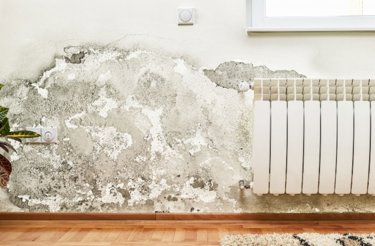
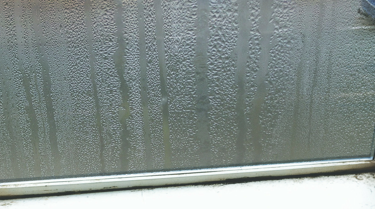
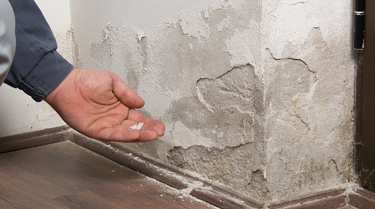
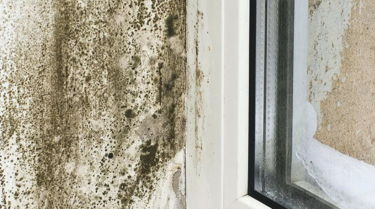
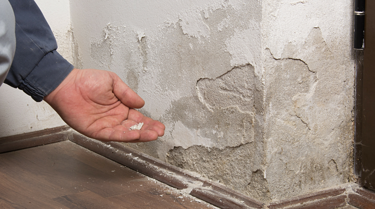
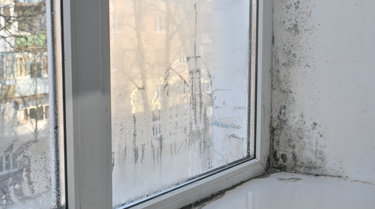
Streaming windows every morning, damp patches appearing on bedroom walls, mould creeping into the corners behind the wardrobe. If that sounds like your home, it is one of the most common problems we see across Sunderland. The city sits right on the North Sea, and that coastal position matters. Cold, wet, windy weather runs from October through to February, exactly when condensation problems peak.
Estates like Pallion, Southwick, Grindon and Farringdon are full of it, and so are the former pit communities at Houghton-le-Spring and Hetton-le-Hole, where the terraced housing built for the collieries is still lived in today. Nearer the centre, around Hendon and Millfield, the stock is older and more densely packed. Washington is different again: built as a new town from the 1960s, it has a large amount of former development corporation and local authority housing, most of it now privately owned, and much of it the same age and construction throughout. Out on the coast at Roker, Seaburn and Fulwell, properties take the full force of the North Sea weather. Bungalows are common right across the city, and they tend to suffer more than most.
Bungalows feel it most. With everything on one level, moisture from cooking, washing, drying clothes and simply breathing builds up quickly, and without adequate airflow it has nowhere to go. Condensation can look straightforward but its cause is often less obvious. What works in one home can make things worse in another, which is why the right diagnosis matters before anything else.