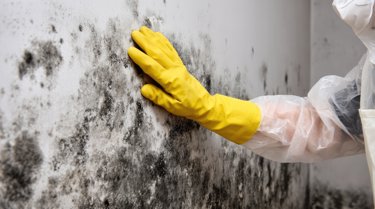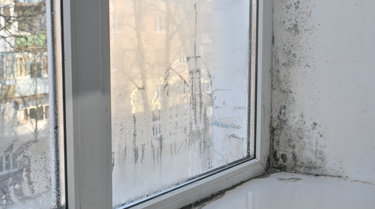
- Understanding Your Issue
What is condensation?
Condensation is excess moisture in the air settling on cold surfaces, often leading to damp and mould—discover how to prevent it.
We design and manufacture award-winning, energy-efficient domestic ventilation systems trusted by homeowners, landlords and letting agents across the UK. With decades of experience, our solutions help reduce condensation and mould, creating healthier indoor environments all year round.
• Free home surveys available
• Award-winning products, recognised across the industry
• Tailored solutions to help stop condensation and mould
• Which? Approved Installers

Our domestic ventilation specialists will assess your property, identify ventilation needs and recommend the most effective solution for your home. This service is free, with no obligation.

Recognised across the industry for innovation and quality, our ventilation systems are engineered for performance, efficiency and long-term reliability.

Our tailored solutions help minimise moisture build-up, improving indoor conditions and protecting your property from the damage caused by condensation.

envirovent is proud to hold Which? Trusted Traders approval for our national installation service.

Since 1987, envirovent has been one of the UK’s leading manufacturers of low-energy ventilation products that improve indoor air quality, helping to solve condensation and mould issues.
Our nationwide network of ventilation specialists provides tailored solutions to suit every property. From precise installation to ongoing support, we ensure your system performs at its best for years to come. All work is carried out by installation engineers approved by Which? Trusted Traders, giving you complete confidence in the expert service you receive.
Understanding what’s causing them in your home is essential to protecting both your property and your health. If you’re dealing with condensation, damp or mould, you’re not alone — thousands of households across the UK experience the same issues every year.
Problems like condensation and mould can affect any property, old or new. What matters is understanding the cause and knowing the steps that can help reduce it.
Condensation is excess moisture in the air settling on cold surfaces, often leading to damp and mould—discover how to prevent it.
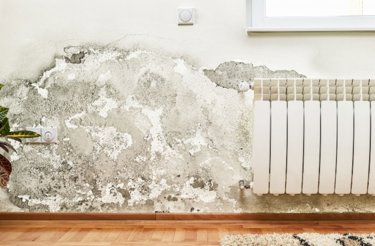
Unwanted moisture inside a property caused by leaks, rising water, or poor ventilation.
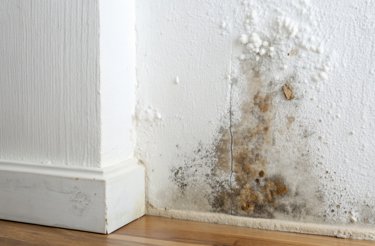
A fungal growth that thrives in damp, poorly ventilated areas and can affect health and air quality.
Our experts can recommend tailored ventilation options for a variety of property types, helping you to find the most suitable approach for your needs.
A local specialist will get in touch to discuss your concerns, arrange a suitable time to visit, and explain what to expect from your free home survey.

Your surveyor will introduce themselves, show ID, and discuss your concerns and home history to understand how daily routines and lifestyle may affect air quality.

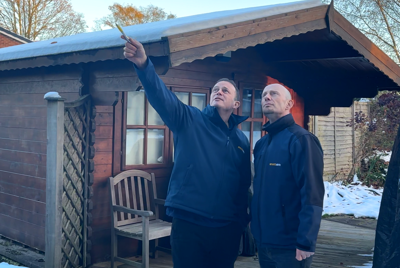
Your surveyor will begin with an exterior check to assess the building and spot any structural or external factors that may be contributing to moisture issues.
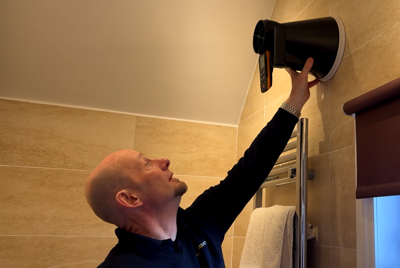
The surveyor completes a room-by-room check, assessing mould, moisture, ventilation and airflow, taking key humidity readings to understand how your home is performing.
As they move through your home, the surveyor will point out visible issues and explain how factors like room layout, heating habits or daily routines can affect moisture.

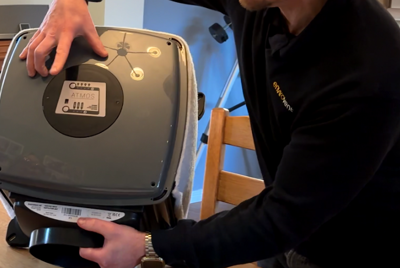
Your surveyor will recommend the right solution, show how it works, explain key benefits and maintenance, and outline any installation requirements so you know what to expect.
After the visit, you’ll receive a report outlining the findings, test results and recommendations, along with clear next steps for installation or any required remedial work.

See how our expert teams and solutions help customers tackle mould and improve indoor air quality.
If you have an issue with condensation, mould build up or ventilation issues then envirovent are the company to go to. I have been using their services for 10 years and have had a number of my rental properties surveyed by envirovent where they come up with a solution to eradicate mould issues by creating extra ventilation methods or better ventilation.
Landlord in Croydon
We have suffered condensation mould and running water on our windows for over 40 years. We have tried numerous products to remedy this and never really succeeded. In a matter of days of having this system fitted our problems have been solved. Really pleased. Great service, a brilliant system couldn’t ask for anymore.
Homeowner
We are a returning customer to envirovent. We know their systems work to reduce/remove problems with condensation & mould. We would highly recommend their products & all aspects of their service from initial enquiry, through to installation.
Homeowner
Explore our range of PIV, extractor fans, and MVHR. Or get expert advice, system design support and compliance guidance for your property or project.

The ATMOS® range are loft mounted Positive Input Ventilation (PIV) systems that are designed to reduce mould and condensation and improve indoor air quality within a property.

The CYCLONE 8 is a continuous running extractor fan suitable for WCs, bathrooms, utility rooms and kitchens. It is a major advancement in extractor fan technology; it utilises a centrifugal impeller and our Intellitrac technology which ensures extremely high airflow performance and humidity levels are controlled all year round.

The ATMOS® WALL range are wall mounted Positive Input Ventilation (PIV) systems that are designed to reduce mould and condensation and improve indoor air quality within flats or apartments.
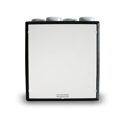
The energiSava® 260 is a mechanical ventilation with heat recovery unit incorporating an EC motor, providing optimum ventilation for a property with a minimum loss of energy.
We're proud to hold certifications from leading industry bodies, demonstrating our commitment to quality and compliance
















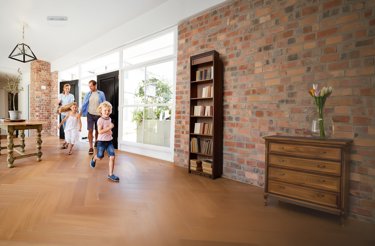
UK homes are built to hold heat in — not let moisture out. Learn how ventilation can protect your home from condensation and mould

Protect your rental property and reduce costly damage caused by mould and condensation

Support your tenants and landlords with effective, compliant home ventilation solution
Once you request a free survey*, one of our local ventilation specialists will get in touch to speak to you and discuss your concerns. If ventilation can provide a long term solution, we’ll arrange a convenient time to visit your home.
During the free survey* one of our local ventilation specialists will:
Assess any condensation or mould problems in your property
Take readings of the relative humidity levels
Identify any underlying problems and make recommendations for a long term solution
Free, no-obligation advice for property and homeowners to help improve your home’s ventilation and indoor air quality.
*Please see additional limitations and fees for the below postcodes and areas
Subject to geographical locations in KW & ZE
In BT postcodes a £60 fee is applied, which is deductible from the final bill.
In postcodes SS, RM, N, IG, EC, E1 – E9 & E20, CM, SE, SW, NN, NG31-34, PE, IP, NR, CB, CO, LE & SG we are unable to provide an in person survey, please contact us at domestic@envirovent.com or 01423 810 810 to discuss options available.
Our knowledge Hub is your go-to resource for expert guidance on ventilation, compliance, and solving condensation, mould, and indoor air quality issues.
Frequently Asked Questions
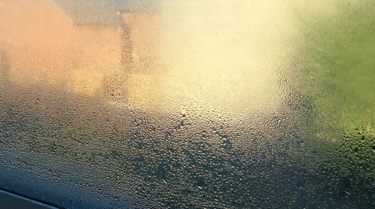
Condensation happens when warm, moist air hits a cold surface and turns into tiny water droplets. While occasional misting is common, you may need professional condensation solutions if you notice:
• Misty/streaming windows and water on sills (often in the morning)
• Damp patches or wet, cold corners on external walls
• Peeling wallpaper, blistering paint, or crumbling plaster
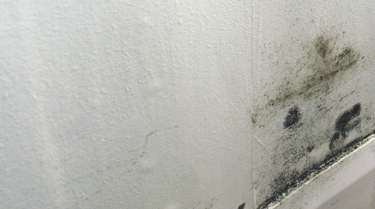
• Black mould in corners, around window frames, or behind furniture
• Musty smells that keep returning
• Timber or felt in the loft showing moisture or early rot
If several of these keep coming back, it's likely a persistent condensation issue rather than a one-off spill or leak.
Everyday life creates moisture: cooking, boiling a kettle, showering, drying clothes indoors, and even just breathing all release water vapour into the air. Modern homes are also built to be more airtight to save energy, which means that moisture can't escape as easily.
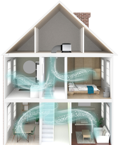
When warm, moist air has nowhere to go, it settles on cold walls, windows, and other surfaces – and that's when condensation forms. That's why having the right ventilation is important: it helps move moist air out and keep conditions balanced, so condensation is far less likely to build up.
Ventilation works by removing moist and humid air out of your home at the source or by replacing it with filtered air from a whole house ventilation system. A high-quality condensation extractor fan removes steam directly from source rooms like kitchens and bathrooms before it has a chance to spread through the rest of the house.
For more comprehensive protection, a whole-home ventilation solution (such as a PIV system) keeps air circulating throughout the entire property. By keeping the airflow balanced, these systems reduce damp corners from becoming a problem and reduce the conditions that allow mould to develop.
While condensation itself isn't harmful, the damp and mould it leads to can affect your health.
Breathing in mould spores may cause coughing, sore throats, or worsen asthma. Children, older adults, and anyone with existing breathing problems are often more sensitive. The most effective way to avoid these risks is to consult with condensation specialists to control the moisture that allows mould to grow in the first place.
Wiping down windows can temporarily clear moisture, but it won't stop condensation from returning. The key is to reduce excess moisture and improve airflow:
• Use condensation extractor fans in kitchens and bathrooms
• Cover pans when cooking and dry clothes outside where possible
• Keep a consistent background temperature in colder months
• Open windows for short bursts of fresh air when it's safe to do so
If you're looking for long-term condensation solutions, good ventilation is the most reliable way to control moisture and prevent condensation from building up again.
Dehumidifiers can help reduce moisture in the air, but they only work in the room they're placed in. They don't tackle the root cause, which is poor airflow.
A dehumidifier can also use seven to 20 times more power than a low-energy ventilation system running continuously. For a long-term solution, improving ventilation is a more efficient way to keep moisture under control throughout your whole property.
All air contains moisture in the form of water vapour. Warm air can carry more of this invisible moisture than cold air. When the air cools down, there comes a point where it simply can't hold all the vapour anymore.
The extra moisture turns back into tiny water droplets – especially on cold surfaces like walls, windows, or mirrors. This process is called condensation.
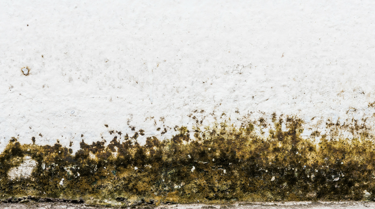
Mould is mainly caused by excess moisture and poor airflow. Mould starts when microscopic spores – which are always present in the air – find a damp surface to settle on. On their own, spores float around harmlessly. But if excess moisture builds and there’s little airflow, they can settle and grow into the black, green, or white patches you see on walls, ceilings, or furniture.
The most common trigger for mould problems inside UK homes is condensation: everyday activities like cooking, showering and even breathing release moisture into the air. If the air isn't able to hold all that extra moisture (or airflow isn't enough), it will drop the moisture onto cold surfaces (this is condensation), creating the perfect environment for mould to develop.
Yes – mould can release spores and particles into the air that, when breathed in, may irritate your lungs and airways. For some people this causes mild symptoms like coughing, a sore throat or headaches. For others – especially children, older adults or people with asthma – it can trigger allergic reactions and more serious breathing difficulties.
Not every mould species is equally harmful, but any visible mould indoors should be treated as a warning sign. Preventing damp and improving ventilation are the safest ways to stop mould and reduce the associated health risks.
Surface cleaning with bleach or sprays is a popular mould removal technique, but it doesn't achieve lasting prevention. That’s because the underlying cause is excess moisture combined with poor airflow.
To reduce the risk of mould:
• Wipe away condensation from windows and sills.
• Use lids when cooking and extractor fans in kitchens and bathrooms.
• Avoid drying clothes indoors where possible.
• Leave a small gap between furniture and external walls so air can circulate.
These steps can help day to day, but the only long-term way to stop mould is to tackle condensation and improve ventilation. During your free home survey, our experts can identify the right ventilation system to keep moisture under control across your whole home.
Cleaning mould with bleach or sprays only removes what you can see on the surface. The spores that cause mould are always present in the air, and if excess moisture and poor airflow remain, those spores will simply settle and grow again.
That’s why mould often seems to “come back” after a few days or weeks – because the underlying conditions haven’t changed. To stop mould returning, you need to control condensation and improve ventilation so damp air doesn’t settle on cold surfaces.
Ventilation helps by tackling the root cause of mould – excess moisture trapped in still air. By moving damp air out and bringing drier air in, ventilation stops condensation from settling on cold surfaces where mould can grow.
Extractor fans are effective in kitchens and bathrooms where most household moisture is produced. For whole-home protection, continuous systems keep air circulating throughout the property, helping to prevent condensation and reduce the conditions that mould needs to thrive.
Mould is a type of fungus that grows when its microscopic spores settle on damp surfaces. These spores are like single-celled seeds that are always present in the air. However, they only develop into visible mould when three things come together: moisture, warmth and organic material such as wood, paper or dust.
Mould grows where there is poor air circulation and high moisture levels. These conditions create the perfect environment for it to thrive. Without addressing the root cause, cleaning or repainting only temporarily hides the problem.
Mould can harm your health. It can trigger allergies, cause breathing difficulties and irritate your skin and throat. To prevent long-term issues, it's crucial to treat the root causes of mould.
Rising damp is caused when ground water moves up through walls or floors by capillary action. It usually appears on the lower part of ground-floor walls, showing as “tide marks,” stained plaster, peeling paint, or salt deposits. Skirting boards may also rot or crumble.
Rising damp is different from condensation damp and usually needs a damp-proofing specialist to diagnose and treat. envirovent focuses on condensation damp, the most common type in UK homes, and ventilation surveys carried out by our experts can help if your problem is moisture from condensation.
Penetrating damp happens when water from outside gets through the building fabric into your home. It can be caused by problems such as cracked brickwork, damaged render, leaking gutters, or broken roof tiles.
The signs are usually damp patches that worsen after rain, localised staining on ceilings or walls, or peeling plaster near external defects. Penetrating damp is typically a structural issue that needs a builder or damp-proofing contractor to investigate. envirovent specialises in condensation damp, so if your damp looks more like moisture from everyday living, our ventilation solutions can help.
Each type of damp shows itself in different ways:
• Condensation damp → Misty windows, black mould in corners, musty smells, and patches on cold surfaces like external walls or behind furniture. Problems are often worse in the morning or during colder months.
• Rising damp → Damp patches low on walls (up to 1 metre high), “tide marks,” peeling paint, crumbling plaster, and white salt deposits. Usually found on ground floors.
• Penetrating damp → Damp patches that worsen after rain, localised staining near gutters, rooflines, or external cracks. Can also show as damp ceilings under a leaking roof.
If your damp looks like condensation, envirovent can help with ventilation solutions that reduce moisture build-up. For rising or penetrating damp, it’s best to speak with a qualified damp-proofing contractor.
Wiping down windows or running a dehumidifier can help in the short term, but they don’t stop condensation from coming back. The only lasting way to control condensation damp is to reduce excess moisture and improve airflow.
Simple steps include: keeping lids on pans when cooking, drying clothes outdoors where possible, and using extractor fans in kitchens and bathrooms. For a whole-home approach, ventilation systems can keep air moving throughout the property and help prevent condensation from building up in the first place.
Dehumidifiers can help reduce moisture in the air, but they only work in the room they’re placed in and don’t fix the root cause of condensation damp – poor airflow.
They can be useful as a temporary measure, but they need regular emptying and add to energy costs. In fact, a dehumidifier can use seven to 20 times more power than a low-energy ventilation fan running continuously. For a whole-home, long-term solution, improving ventilation is the more effective way to keep condensation damp under control.
Condensation damp is the most common type of damp in UK homes. It happens when warm, moist air meets a cold surface — like a wall, window, or ceiling — and tiny water droplets form. Over time, these damp patches can lead to black mould, peeling wallpaper, or musty smells.
Everyday activities such as cooking, showering, or drying clothes indoors all add moisture to the air. Without good ventilation to keep that air moving, condensation builds up and causes damp problems.
Indoor Air Quality or IAQ refers to the condition of air inside a building and the effect that this can have upon those within the property. This is usually referred to alongside appropriate sensors or controls to increase the levels of IAQ or monitoring systems to measure this over a specific period.
IAQ can be improved in a property through the use of appropriate ventilation, depending upon the property type and application. Sensors and equipment can also be used to monitor the IAQ levels, which can then interact with the ventilation units to adjust the speed to keep the airflow level at an optimum point. Being mindful of products being used, such as those with high Volatile Organic Compounds (VOCs), including polish and cleaning materials, carpets, glues used in furniture, candles and other items, can also help to reduce the VOC levels.
envirovent offer the Air Sense range of sensors which are used to monitor Relative Humidity (RH), Carbon Dioxide (CO₂) Volatile Organic Compounds (VOC) and Temperature (TEMP) through a traffic light system for which the contaminant level, humidity or temperature can be pre-set and will either increase or decrease the airflow of the ventilation unit depending upon the conditions in the property.
Radon is a naturally occurring gas that is found within uranium and enters the atmosphere. Radon is radioactive, colourless, odourless and carcinogenic in high concentrations. In areas with high Radon levels, this moves upwards from the ground into properties through cracks and gaps, and is harder to disperse than some other gases or pollutants, meaning that it can sometimes hang around. There are maps available online showing areas of the UK suffering from high radon build-up, which should be a consideration when it comes to ventilation and ensuring good levels of indoor air quality. Radon is measured in Bq or Becquerels, and can be tested by ordering specific kits.
High Radon levels can be prevented through the use of a sump that removes the Radon and disperses it out to atmosphere. Alternatively, a PIV or Positive Input Ventilation can also be an appropriate solution. For further information on options available, including the use of Envirovent Air Source PIV units, please get in touch.
Ventilation, in the context of buildings, is the process of moving air in and out of a property. This can be through natural or mechanical means, or a mixture of both, and is usually at a set or minimum rate, as seen in appropriate building regulations and minimum guidance. The ventilation rate can be determined by the occupant levels, bedrooms and floor areas within a building. For some applications, the number of Air Changes per Hour (ACH) is determined based upon the air being fully changed in that room a set number of times per hour.
There are different options available when it comes to ventilating a property. This depends upon the layout, air permeability, location and other factors within the property. For domestic ventilation, this is generally split into four main options: Natural Ventilation with Background Ventilators and Intermittent Extract Fans, Continuous Mechanical Extract (c-MEV or d-MEV), Mechanical Ventilation with Heat Recovery (MVHR) or Alternative Methods such as PIV and SRHR.
Minimum ventilation standards and the use of products vary between domestic and non-domestic properties. Care should be taken to ensure that the product chosen is fit for purpose and is compliant. For further information or for assistance, please contact envirovent.
Yes, there are several types of standards, guidance and support documents available; ensuring that the right one is selected is important. The key document is Approved Document F of Building Regulations for Means of Ventilation; there is also NHBC Guidance, CIBSE Guides and other British Standards. For guidance and advice, please contact Envirovent.
Ventilation is required to prevent mould and condensation, reduce humidity levels and pollutants such as CO₂, Radon and VOCs, as well as providing good levels of IAQ. The way that homes are built and refurbished is changing, and it's important that properties are ventilated to overcome increased levels of airtightness, overheating and pollution concerns.
Relative Humidity or RH is the level of humidity in the air, relative to the maximum amount that could be held at that temperature. This means that if the RH of a property is at 80%, then this is 80% capacity in terms of the amount of moisture that can be held in line with the current temperature. The higher the relative humidity, the greater the risk of mould until the dew point, which is when wet walls and water droplets will form at around 100% RH. High levels of RH can lead to mould, damp and health issues if not appropriately managed and reduced.
Humidity can be controlled in a variety of ways. Some ventilation units have humidity tracking included as standard, or sensors that can be added to the units to vary the speed based on the levels of humidity in the air. There is a link between temperature and humidity, which can cause issues at night when properties are traditionally not heated, particularly in colder weather. Essentially, good ventilation, including the use of both natural and mechanical ventilation are key alongside regulating the temperature within a property.
Each property is different when it comes to looking at humidity levels, which can vary through general day-to-day living, property location and temperature. Typically, humidity levels are between 30% and 60%, with figures outside of this potentially leading to health concerns. When setting up a ventilation system, it is important to work out the humidity levels within the property and find out what the optimal figure as if this can lead to nuisance running or not running enough, leading to mould and condensation issues. As well as this, low humidity levels can leave the air dry and can cause headaches and respiratory concerns. For further advice and guidance, please contact envirovent.
Experts solutions and support. From surveys and product selection to design, training and installation.
Need help with mould or condensation problems - arrange a free survey today
Our nationwide network of trained engineers are Which accredited
Select the right ventilation product for your home, property or project
Get expert advice from our ventilation specialists on condensation, mould, products, system design, compliance and training